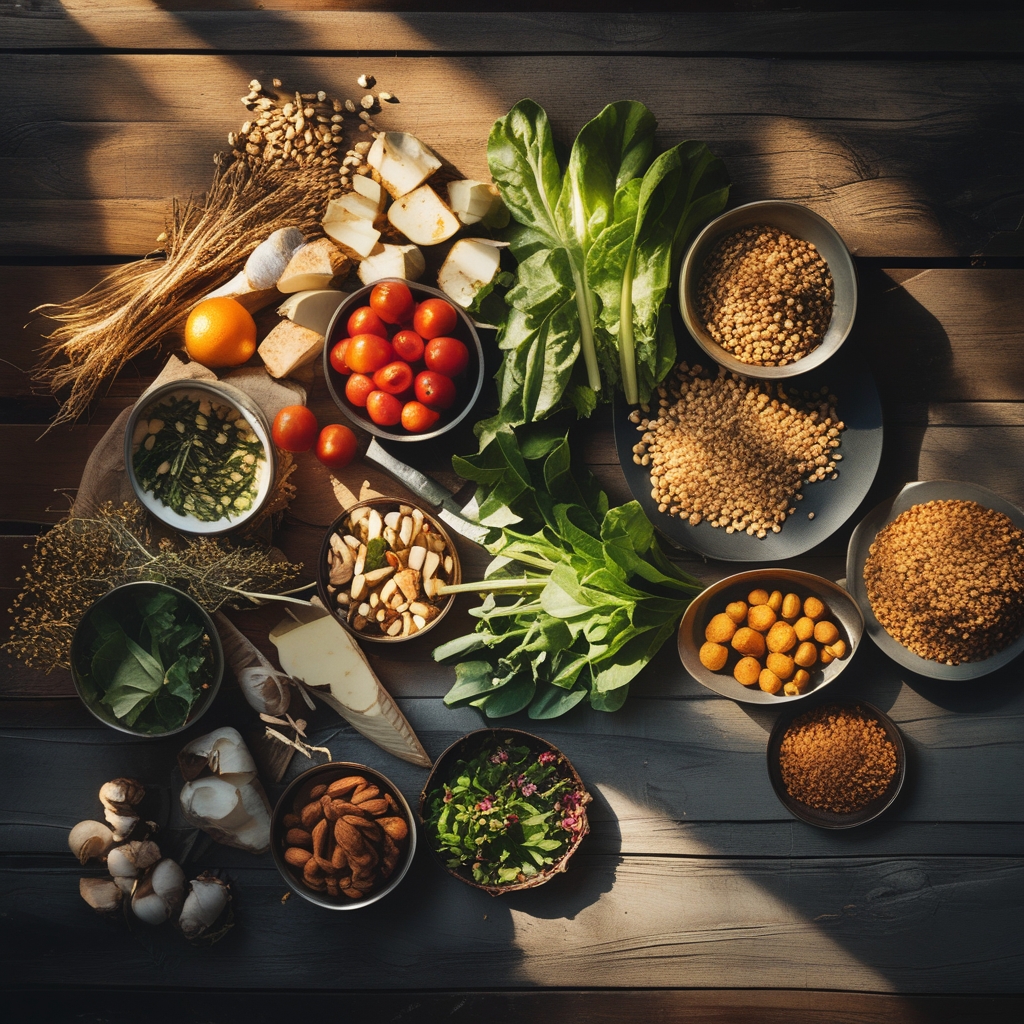
Exploring Natural Nutritional Support for Men's Well-being
A structured guide to essential vitamins, minerals, and botanical compounds relevant to general male vitality. Presented as independent educational reference material.
Educational content only. No promises of outcomes.
recognized by nutritional science
considered nutritionally relevant
requiring micronutrient co-factors
influencing nutritional absorption
Key Nutritional Categories for General Well-being
Nutritional science groups dietary compounds into several broad categories, each serving distinct physiological functions. The following provides an overview of those most relevant to general male vitality as documented in nutritional literature.
Fat-Soluble Vitamins
Vitamins A, D, E, and K dissolve in fat and are stored within the body's adipose tissue and liver. Their roles span immune regulation, calcium metabolism, antioxidant activity, and coagulation processes. Dietary intake through whole foods remains the principal route of acquisition.
Water-Soluble Vitamins
The B-vitamin complex and Vitamin C operate primarily within aqueous cellular environments. Because they are not stored in significant quantities, consistent dietary exposure is essential. These vitamins participate in energy metabolism, neurological function, and connective tissue formation.
Essential Minerals
Macro-minerals such as magnesium, calcium, and zinc, along with trace elements including selenium and iron, perform structural and catalytic roles throughout the body. Zinc, in particular, has been noted across the nutritional literature as a compound of relevance to male physiological processes.
Omega Fatty Acids
Polyunsaturated fatty acids — specifically the omega-3 and omega-6 families — are considered dietary essentials because the human body cannot synthesize them independently. They support cardiovascular function, inflammatory regulation, and neural architecture, as described in numerous nutritional studies.
Phytonutrients & Antioxidants
Plant-derived compounds, including carotenoids, polyphenols, and flavonoids, are widely studied for their antioxidant properties. These compounds neutralize reactive oxygen species and are found in abundance within fruits, vegetables, and whole grains, forming an integral component of diverse dietary patterns.
Botanical Compounds
Herbal and botanical compounds have featured in traditional nutritional practices across multiple cultures for centuries. Contemporary nutritional science examines their bioactive constituents, including alkaloids, saponins, and terpenes, to better characterize their general properties and mechanisms.
A Deeper Dive into Vitamins and Minerals
Vitamin D: The Sunshine Compound
Synthesized primarily through ultraviolet B radiation exposure on skin, Vitamin D operates as a secosteroid hormone precursor across multiple biological systems. Nutritional literature consistently positions it as relevant to calcium homeostasis, immune modulation, and general musculoskeletal function. Dietary sources include fatty fish, egg yolks, and certain fortified foods, though sun exposure remains the principal biosynthetic pathway for most populations.
Zinc: A Versatile Trace Element
Zinc functions as a catalytic, structural, and regulatory element within the human body. It participates in over 300 enzymatic reactions and is involved in processes ranging from protein synthesis and DNA transcription to immune cell development. Nutritional surveys frequently identify zinc as one of the dietary elements to which men may give particular attention, given its documented roles in multiple physiological systems.
The B-Vitamin Complex
The eight members of the B-vitamin family — thiamine (B1), riboflavin (B2), niacin (B3), pantothenic acid (B5), pyridoxine (B6), biotin (B7), folate (B9), and cobalamin (B12) — are central to cellular energy metabolism. They act as coenzymes in the extraction of energy from carbohydrates, fats, and proteins. B12 additionally supports neurological integrity and red blood cell formation, and is of specific note for those following entirely plant-based diets.
"Adequate micronutrient intake is consistently associated with markers of general well-being in large-scale population studies, underscoring the importance of dietary diversity as a foundational principle."
Nutritional Science Review, General Reference ContextMagnesium: The Quiet Mineral
Magnesium participates in over 600 enzymatic reactions, including ATP synthesis, protein formation, and muscle contraction. Despite its widespread physiological importance, nutritional surveys across European populations indicate that a significant proportion of adults consume less than the recommended daily intake. Dietary sources include dark leafy greens, legumes, seeds, and whole grains.

Vitamin E & Selenium
Vitamin E, a family of eight related compounds with tocopherol as the primary dietary form, is recognized as an important fat-soluble antioxidant. Selenium, a trace mineral, functions as a core component of selenoproteins, which include glutathione peroxidases — enzymes involved in the body's oxidative defense systems. Both are obtained through varied dietary patterns including nuts, seeds, and whole grains.
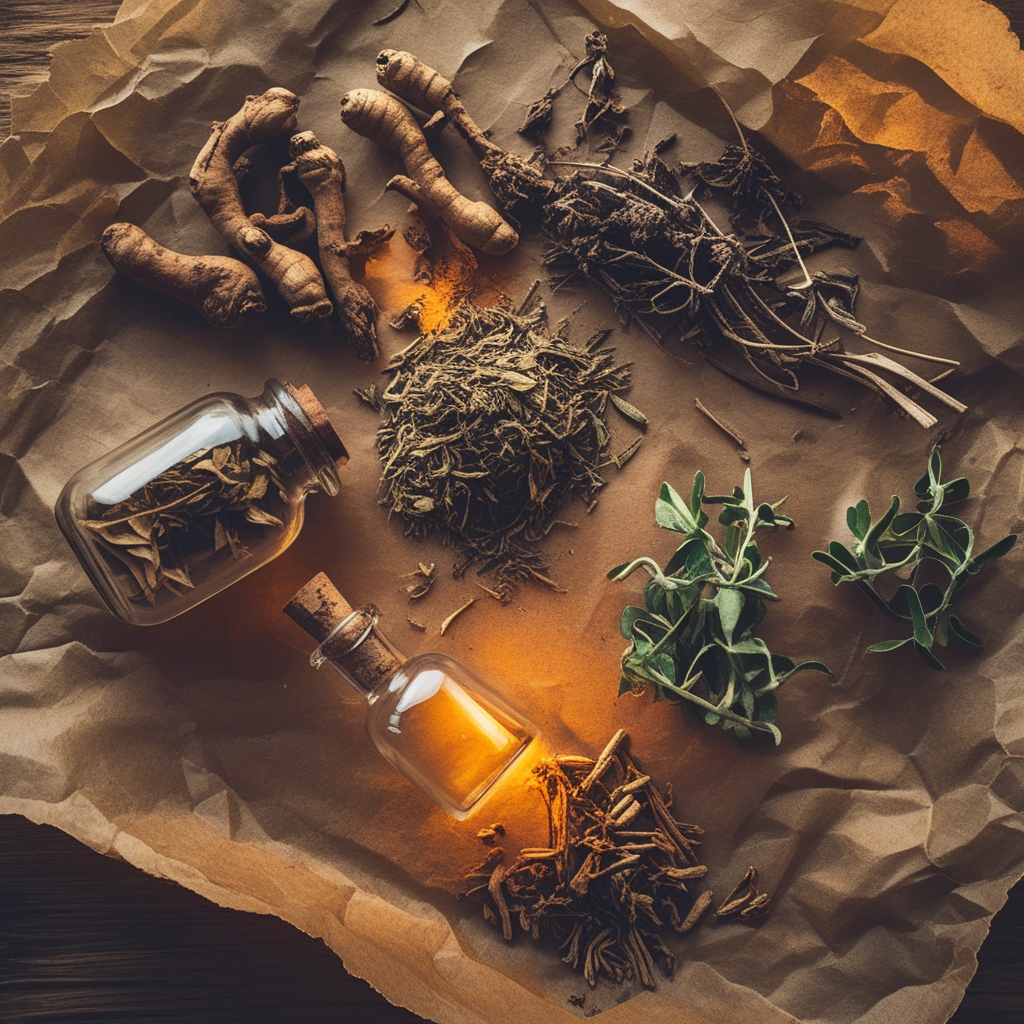
Botanical Insights: A Historical & Scientific Context
The use of botanical compounds in traditional dietary practices spans thousands of years across virtually every human culture. Ancient Ayurvedic texts, traditional Chinese nutritional systems, and European folk herbal traditions all document the systematic use of plant-based materials as components of daily dietary routines.
"The ethnobotanical record offers nutritional science a rich catalogue of plant compounds that merit rigorous examination, many of which have subsequently been characterized for their bioactive constituents."
Context: Ethnobotanical Studies, General ReferenceAdaptogenic Botanicals
A category of botanical compounds referred to as "adaptogens" in nutritional and phytochemical literature includes plants such as Withania somnifera (Ashwagandha), Panax ginseng, and Rhodiola rosea. These plants have been studied for their general physiological properties, with research examining compounds including withanolides, ginsenosides, and rosavins respectively.
"Historical use does not constitute scientific evidence, but it provides a framework for identifying candidates for systematic nutritional study."
Phytochemical Research ContextPolyphenol-Rich Plants
Plants including green tea (Camellia sinensis), pomegranate (Punica granatum), and turmeric (Curcuma longa) are notable sources of dietary polyphenols. The curcuminoids in turmeric and the catechins in green tea have been subjects of extensive nutritional investigation, with studies examining their general antioxidant properties within cellular and animal models.
Discover Further DetailsBalanced Well-being Beyond Nutrition Alone
Nutritional intake does not operate in isolation. The general well-being literature consistently identifies several lifestyle dimensions as closely interconnected with how the body utilizes dietary compounds.
-
Dietary Pattern Diversity
A varied dietary pattern — one that includes a broad range of vegetables, whole grains, legumes, quality proteins, and healthy fats — is identified as foundational in nutritional science. Dietary diversity supports broad micronutrient coverage and provides the substrate for healthy gut microbiome composition, which in turn influences nutrient absorption efficiency.
-
Physical Activity and Metabolic Demand
Regular physical activity influences the body's metabolic rate, hormonal environment, and nutrient utilization patterns. Moderate aerobic activity and resistance-based exercise have been associated with positive markers of general well-being in multiple large-scale observational studies. Physical activity also increases demand for certain micronutrients, including B-vitamins and magnesium, as part of normal energy metabolism.
-
Sleep Quality and Circadian Regulation
Sleep is a critical period of physiological restoration during which growth hormone secretion peaks, cellular repair processes are most active, and neurological consolidation occurs. Chronic sleep disruption has been associated in nutritional and physiological literature with altered metabolic function, including shifts in appetite-regulating hormones and reduced insulin sensitivity. Both duration and quality of sleep are considered relevant factors in the broader context of nutritional well-being.

Contextual Note: The lifestyle factors described here are presented as general informational context drawn from publicly available nutritional science literature. They do not constitute individual guidance of any kind.
Bioavailability: How the Body Processes Nutrients
What Is Bioavailability?
Bioavailability refers to the proportion of an ingested nutrient that is absorbed from the gastrointestinal tract and becomes available for use within physiological processes. It is not a fixed property of a given compound but rather a dynamic outcome influenced by multiple interacting variables, including the food matrix, the individual's digestive physiology, and the presence of other dietary components consumed simultaneously.
The Role of the Food Matrix
Nutrients in whole foods exist embedded within complex biological matrices — cell walls, fat globules, protein structures — that influence their release and subsequent absorption. For example, fat-soluble vitamins (A, D, E, K) require the concurrent presence of dietary fat for efficient absorption. Consuming these vitamins with meals that include a moderate amount of fat significantly increases their uptake compared to consumption in a fasted, fat-free context.
Mineral Absorption and Competing Factors
The absorption of dietary minerals is particularly subject to the concept of competitive inhibition. High intakes of calcium can interfere with iron absorption, as both utilize similar transporter mechanisms in the intestinal lining. Similarly, phytic acid — present in whole grains and legumes — can bind to zinc and reduce its absorption. Fermentation and soaking of these foods are traditional methods that partially reduce phytic acid content.
Nutrient Synergies
Certain nutrient combinations enhance mutual bioavailability. Vitamin C consumed alongside non-haem iron sources substantially increases iron absorption. The fat-soluble antioxidant lycopene in tomatoes is more bioavailable from cooked tomato products than from raw ones. These synergistic interactions illustrate the importance of overall dietary pattern complexity rather than isolated nutrient focus.
Gut Microbiome and Absorption Capacity
The intestinal microbiome contributes to nutrient metabolism in ways that are still being actively characterized. Certain gut bacteria synthesize vitamin K2 and some B-vitamins, contributing to the host's overall micronutrient status. Microbiome diversity, influenced by dietary fibre intake, has been associated with improved nutrient extraction efficiency in observational studies.
Key Terms Glossary
The fraction of an ingested substance that reaches systemic circulation in an unchanged form and is thus available for physiological utilization.
The complex structural and biochemical environment in which nutrients are embedded within whole foods, influencing their release and absorption during digestion.
An antinutrient compound found in seeds, grains, and legumes that can chelate divalent minerals such as zinc, iron, and calcium, reducing their intestinal absorption.
The formation of multiple bonds between a polydentate ligand and a single central ion, commonly applied to mineral binding by antinutritional compounds or conversely by absorption-enhancing agents.
The form of dietary iron found in plant-based foods, characterized by lower baseline bioavailability compared to haem iron, but significantly responsive to co-ingestion with ascorbic acid (Vitamin C).
A physiological cycle whereby bile acids and certain nutrients (including fat-soluble vitamins) are secreted into the intestine, reabsorbed, and returned to the liver, extending their effective residence time in the body.
The collective community of microorganisms residing within the gastrointestinal tract, now recognized as a significant contributor to overall metabolic function and nutrient utilization.
Dispelling Widespread Misunderstandings in Nutrition
Nutritional information in popular media frequently contains simplifications, outdated references, or generalized claims. The following presents several common misconceptions alongside more nuanced, evidence-based perspectives.
ContextFat-soluble vitamins accumulate in adipose tissue and the liver. Chronic excessive intake of vitamins A and D, for example, is associated in clinical literature with adverse effects. Even water-soluble vitamins, while more readily excreted, can produce negative responses at very high sustained intake levels. Nutritional science does not support the notion that exceeding recommended intakes systematically produces proportional benefits.
ContextThe relationship between a compound's source and its biological effect is more complex than the natural/synthetic dichotomy implies. Some synthetic vitamins are chemically identical to their natural counterparts. The bioavailability and co-factor context of natural food sources often provides advantages, but this is not a universal principle. Scientific assessment of any compound's properties is based on its molecular structure and physiological interactions rather than its origin.
ContextA varied, nutrient-dense dietary pattern is indeed the foundation of optimal nutritional status. However, specific circumstances — including particular dietary restrictions, geographic factors influencing sun exposure (relevant to Vitamin D), advanced age affecting absorption efficiency, or periods of elevated physiological demand — can create situations where dietary intake alone may be insufficient for specific individuals. This is a nuanced observation from the nutritional literature, not a universal statement.
ContextThe term "antioxidant" encompasses a broad category of structurally diverse compounds with distinct mechanisms, cellular localizations, and physiological specificities. Vitamin C operates primarily in aqueous cellular compartments; Vitamin E functions within lipid membranes. Lycopene and beta-carotene are carotenoids with different tissue distribution profiles. The antioxidant concept serves as a useful general descriptor, but each compound warrants individual scientific characterization.

The perspectives presented here draw from general principles established in the nutritional and biochemical sciences. They are intended to illustrate complexity and encourage further independent research rather than to provide direct guidance.
Resources and Avenues for Continued Study
Nutritional science is an expansive and actively evolving field. The following overview identifies categories of resources through which those interested in rigorous, peer-reviewed information may deepen their understanding. This list is provided as general contextual guidance only, without endorsement of any specific publication or source.

Understanding Research Quality
Not all nutritional studies carry equivalent evidential weight. Randomized controlled trials (RCTs) generally provide stronger evidence than observational studies for establishing causal relationships. Systematic reviews and meta-analyses, which synthesize data across multiple studies, represent the highest level of population-level evidence. Understanding these distinctions is valuable when evaluating nutritional claims encountered in general media.
Resource Directory
General categories of information sources relevant to nutritional science research:
Peer-Reviewed Nutritional Journals Academic Biochemistry Publications National Health Institute Databases European Food Safety Authority (EFSA) World Health Organization Nutrition Reports Systematic Review Databases Botanical Pharmacognosy Texts Dietetic Association Reference Materials University Nutritional Science Departments Meta-Analysis CompilationsReaders are encouraged to seek original source publications rather than relying exclusively on secondary summaries, in order to evaluate study designs, sample sizes, and conclusions in their full context.
Common Inquiries About Nutritional Information
Vitamins are organic compounds — meaning they contain carbon — synthesized primarily by plants or animals and required by the human body in relatively small quantities to support normal physiological function. They are classified as either fat-soluble (A, D, E, K) or water-soluble (the B-vitamins and C). Minerals, by contrast, are inorganic elements derived from the earth that plants absorb from soil. The body cannot synthesize either vitamins or minerals and must obtain them through dietary intake. Both are classified as micronutrients, distinguishing them from the macronutrients (carbohydrates, fats, proteins) consumed in substantially larger quantities.
Daily reference values — referred to variously as Dietary Reference Intakes (DRI), Reference Daily Intake (RDI), or in the European Union as Dietary Reference Values (DRV) — are estimates developed by nutritional authorities to quantify average population-level nutrient requirements. They are derived from controlled studies examining the intake levels associated with the absence of deficiency signs in study populations. It is important to understand that these values represent statistical averages for population health planning purposes and do not constitute individually tailored intake targets. Individual requirements vary based on age, physiological status, dietary pattern, geographic location, and other factors.
Yes, nutritional science identifies population-level differences in average micronutrient requirements between biological sexes. Men generally have higher average caloric and zinc requirements, while women of reproductive age typically have substantially higher iron requirements due to menstrual losses. Reference values for many vitamins differ by sex and age group. These distinctions are reflected in official dietary reference publications from health authorities in Germany, the European Union, and internationally. However, these are population averages derived from epidemiological data and do not represent fixed individual requirements.
Cooking methods exert significant influence on the final nutrient content of foods. Water-soluble vitamins, particularly Vitamin C and the B-vitamins, are highly susceptible to heat degradation and can leach into cooking water. Boiling vegetables, for example, may result in losses of 20–60% of certain water-soluble vitamins compared to raw consumption. Steaming, microwaving, and stir-frying generally preserve more of these nutrients. Conversely, cooking can enhance the bioavailability of certain compounds: cooking tomatoes breaks down cell walls and significantly increases the bioavailability of lycopene. Gentle cooking of carrots improves the accessibility of beta-carotene. The optimal cooking method therefore depends on the specific nutritional profile one is seeking to preserve.
Vitamin D occupies a particularly prominent position in European nutritional discourse because of its reliance on ultraviolet B (UVB) radiation for cutaneous synthesis. At latitudes above approximately 37–42 degrees north, UVB radiation levels during autumn and winter months are insufficient for adequate skin synthesis. Germany, situated between approximately 47 and 55 degrees north latitude, falls entirely within this zone. As a result, German and broader European health authorities have highlighted Vitamin D as a nutrient warranting attention in the context of dietary diversity and lifestyle considerations. This is not a medical recommendation but a contextual observation drawn from published nutritional surveillance data and the geographic realities of northern European sun exposure patterns.
Oxidative stress is a concept in biological science describing a state of imbalance between the production of reactive oxygen species (ROS) — molecules with unpaired electrons that can react with and alter cellular structures — and the body's capacity to neutralize them through its endogenous antioxidant defense systems. Dietary antioxidants contribute to the exogenous arm of this defense system. They encompass a diverse array of compounds including Vitamins C and E, carotenoids, and polyphenols, each with distinct mechanisms of action. The relationship between dietary antioxidant intake and the body's overall oxidative balance is complex and context-dependent, and remains an active area of nutritional research.
A Comprehensive Reference on Nutritional Concepts Awaits
The Iestia reference library presents a structured exploration of nutritional concepts relevant to men's general well-being, organized into clearly defined thematic categories for ease of navigation.
Materials and Context Notice: The materials presented on this site are for informational purposes only. They do not constitute individual recommendations, acknowledge the diversity of approaches in daily life, and are not a substitute for personal decision-making or professional advice. Iestia is an independent educational initiative operating in the context of general nutritional information. All content reflects publicly available information from nutritional and scientific literature and should be understood as general educational context only.